
The Difference Between the American nationalist scene and the European Fascist counter culture
By RUNDO

Some personal observations from both sides of the Atlantic
I’m writing this from personal experience, not theory.
I lived in Europe for seven years , every country i was in a was connected to the nationalist there. During that period , I slept on couches, trained in private gyms, drank in fascist pubs, and moved through networks that existed long before social media and would survive without it. That wasn’t luck. It was infrastructure.
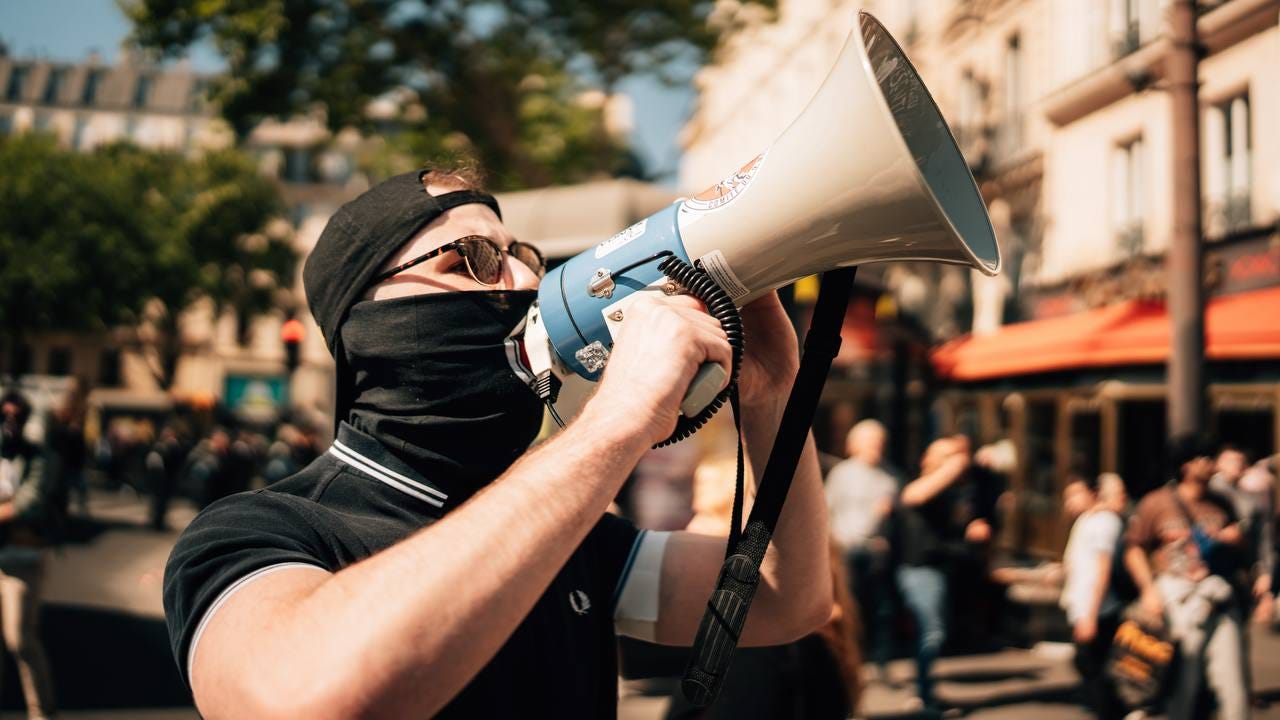
What struck me most wasn’t ideology. It was counter culture
.
The European nationalist scene didn’t grow out of podcasts or timelines. It didn’t emerge from viral clips or algorithmic outrage. It came out of football stands, pubs, gyms, and fight nights. It came from places where people already gathered, already tested each other, already lived social lives together. Politics came later , almost as a byproduct.
I saw this firsthand in 2017 at a private fascist boxing event in Germany through KDN. Around two thousand nationalists from across Europe showed up. It was organized, disciplined, and most importantly normal. There were fights, bands, booths, families. Wives and girlfriends. Kids running around. People laughing. People planning the next one before the night even ended.
That’s how real scenes grow. Not because they’re shocking, but because they’re worth returning to.
Contrast that with what I was watching unfold back in the United States at the same time.
While Europe was quietly building social ecosystems, the American right was chasing headlines. Richard spencer college tours. holding demos in left wing hostile cities. Performative confrontations designed to “own” opponents rather than build anything lasting. Supporters who showed up often paid for it public humiliation, violence, jail time while the personalities who sent them there flew home, podcasted about it, and moved on.
That tactic didn’t make the movement stronger. It trained people to associate participation with punishment.
And people learn fast.
A Scene Without a Counterculture
The core problem in the American nationalist scene isn’t lack of talent. It’s lack of counterculture.
There’s plenty of technical skill memes, edits, irony, humor. Americans are good at online warfare. They understand branding, narrative, and how to mock the left in ways that spread. But what’s missing is everything that happens after the screen goes dark.
No shared aesthetic. No shared social life. No shared rituals that don’t involve online outrage.
Instead, the scene fragments into camps orbiting personalities talking heads with hot takes and weak real-world ties. Contribution becomes performative. The incentive structure rewards whoever can be the most extreme, the most shocking, the most terminally online. Vulgarity becomes confused for courage. Alienation gets mistaken for radicalism.
The result isn’t rebellion. It’s antisocial behavior dressed up as politics.
Europe took a different path.
Their movements didn’t form online and spill into real life. They formed in real life and later learned how to use the internet. That distinction matters. It produces natural hierarchies, real camaraderie, and accountability things you cannot simulate through follower counts or livestream chats.
You can’t build brotherhood in comment sections.
Why Real-World Groups Last
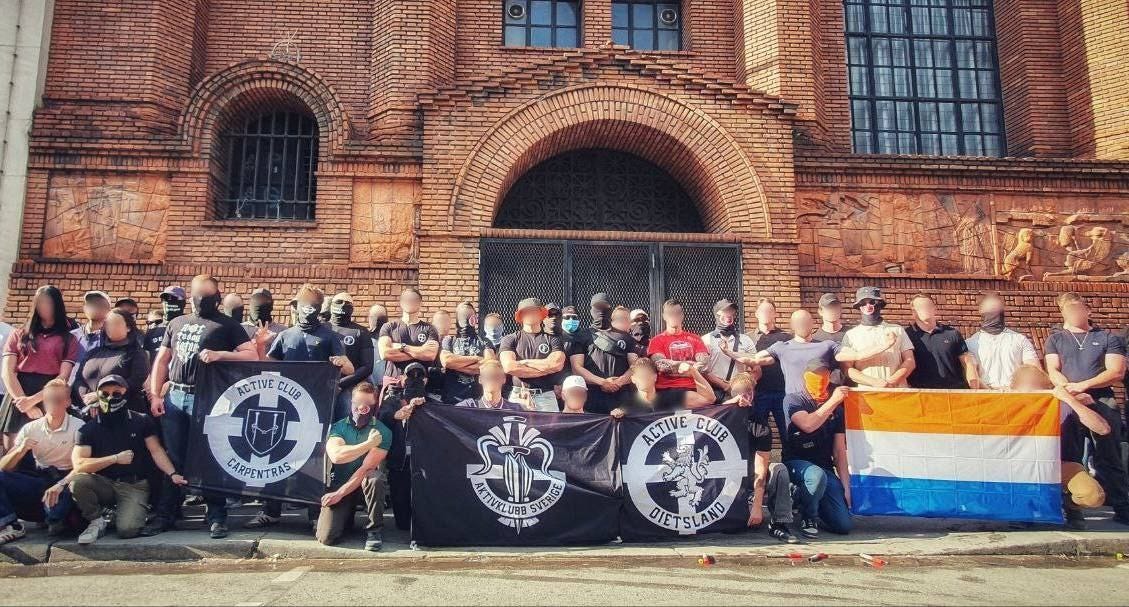
There’s a reason Active clubs and other organizations outlasted dozens of others that burned hot and vanished. It wasn’t messaging. It wasn’t branding. It was activity.
Groups that trained together, met face-to-face, took risks together, and learned how to operate in the real world created bonds that survived media cycles and internal drama. Once people learn competence how to organize, how to handle pressure, how to function socially they stop being dependent on constant hot takes telling them how doomed everything is
.
And that creates tension.
Because a movement built on passive consumption doesn’t like when people stop consuming.
It’s not a coincidence that many American commentators quietly distrust real-world activism like Active clubs or Patriot Front. Once people start acting, training, building, and living full lives, they’re less interested in endless despair content about things they can’t control. They don’t need to be entertained into outrage. They already belong to something.
Lessons Both Sides Can Learn
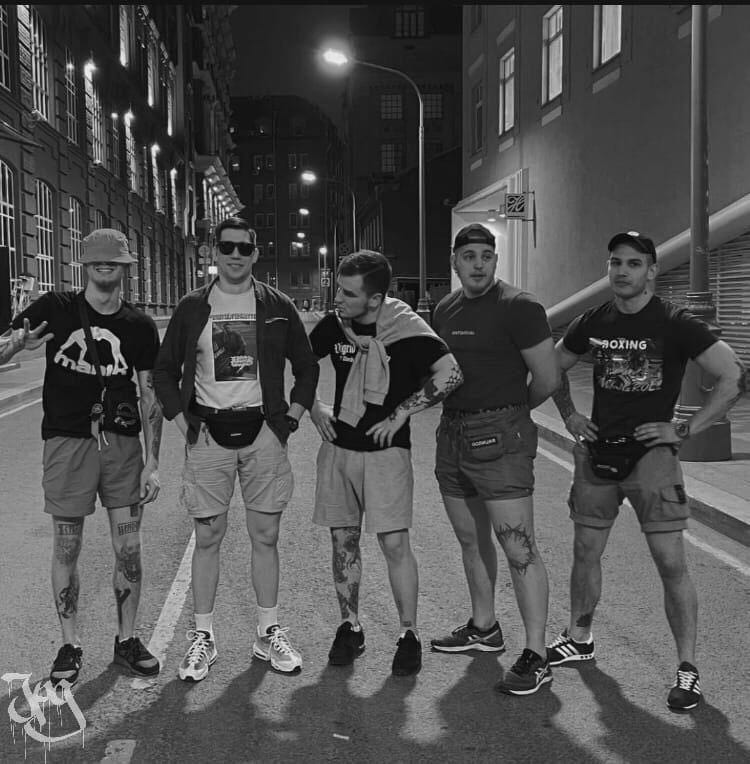
Europe isn’t perfect. It can be insular. It can move slowly. It sometimes underestimates how powerful online culture actually is. America excels there. Humor matters. Aesthetics matter. Being able to speak the language of the moment matters.
But without a social base, it all floats away.
America needs less fixation on spectacle and more attention to building environments people actually want to inhabit. Places where families are welcome. Where hierarchy is earned, not claimed. Where culture comes before commentary.
Europe, meanwhile, would do well to study how Americans communicate how they package ideas, how they break narratives, how they use humor without dissolving into nihilism.
A scene survives when it feels like a life, not a performance.
And the difference between a movement that lasts and one that cannibalizes itself is simple:
One builds a culture people grow into. The other builds a feed people eventually log off from
Yup.
This isn't just the case in nationalist scene, but you are touching cultural norms.
Europeans and others still live real lives. Americans live online persona's.
Any attempt to gather people into organizations that demanded real responsibility, connection, and action that I have built have failed, unfortunately. It was hard lessons to learn that Americans are just Hollywood actors in their own lives acting in a ridiculous film.
Lots of big words and flexing online, but almost nothing of substance in the real world.
There is a lot of truth to this article. I think British humour tops the league so the Europeans and Americans need to consider tapping into that natural talent.